
Full-Stack Web
Development
Custom web applications, high-performance e-commerce stores, and API-first architectures — shipped by senior engineers on a flat subscription.








Why should you invest in Web Development
Your website is your highest-volume salesperson — it's open 24/7, handles every time zone, and never asks for a raise. A slow, outdated, or generic site doesn't just underperform; it actively erodes trust and hands leads to competitors who invested in their digital presence.
A well-engineered web presence compounds. Every optimized page load, every conversion-tuned flow, and every mobile-responsive interaction works in your favor while you sleep. We build sites that rank, convert, and scale — not just sites that exist.

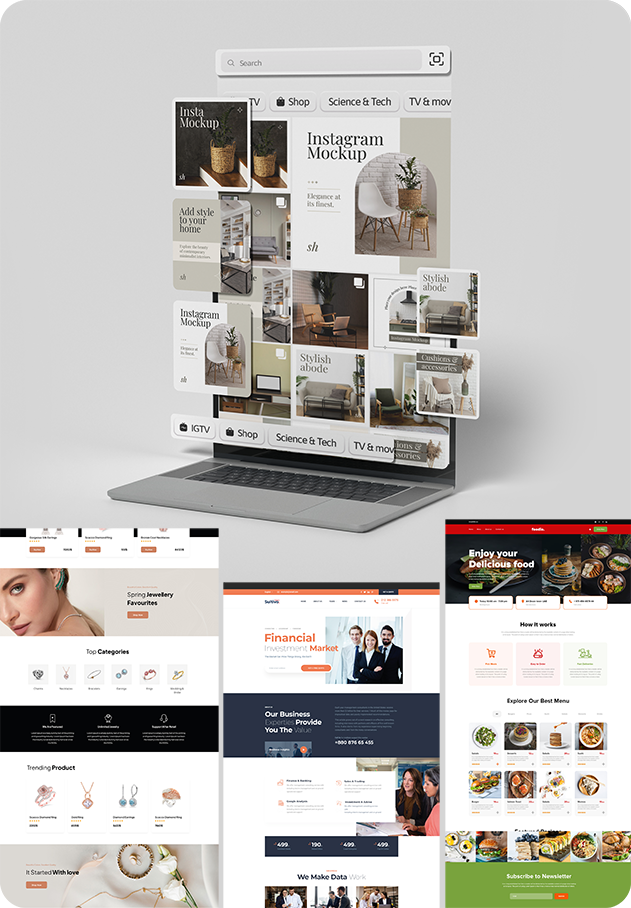
Why Brands Choose Designcoffers for Web Development
We combine full-stack engineering with conversion-rate thinking. Every component — from the sitemap to the checkout flow — is architected with both developer maintainability and buyer psychology in mind. Our team includes senior frontend engineers, backend architects, UX designers, and SEO strategists working as a single, coordinated unit.
- check_circle Agile web design and development methodology.
- check_circle Award-winning solutions at competitive rates.
- check_circle High-performance approach ensuring exceptional quality.
- check_circle Top-tier talent crafting impactful online presences.
Professional web developers are crucial for visually appealing, optimized websites that enhance customer engagement, boost conversions, and improve brand presence. DesignCofers’ creative team excels in building standout websites that drive results.
With a strong focus on client satisfaction, DesignCofers takes the time to understand your business goals and target audience. From initial concept to final launch, every project is tailored to deliver measurable success. Whether you’re building a brand-new site or revamping an existing one, DesignCofers ensures a seamless process, transparent communication, & timely delivery.
Here is how our web developers can help you:
Tailored Web Solutions
We build secure, scalable, and high-performance digital products designed to accelerate business growth and streamline efficiency.

Web App Development
Dive into the realm of intuitive web applications exclusively tailored to gift an immersive digital experience
E-commerce
Bridge the gap between your storefront and customer with our strategic e-commerce solutions
Corporate Website
Avail sales opportunities and high user engagement with corporate website development services
Customer Relationship Management
Deploy fully featured and time efficient data analytics to manage customer relationships
Content Management System (CMS)
Leverage enterprise CMS to manage dynamic and unorganised content for business efficiency.
SaaS
Make stunning business software models using SaaS with emphasis on company growth and profitability
Technologies We Master
We leverage the latest and most reliable technologies across frontend, backend, databases, and e-commerce platforms.
Frontend Technologies
Backend & Databases
CMS & E-commerce
 WordPress
  Shopify
 Our Recent Work
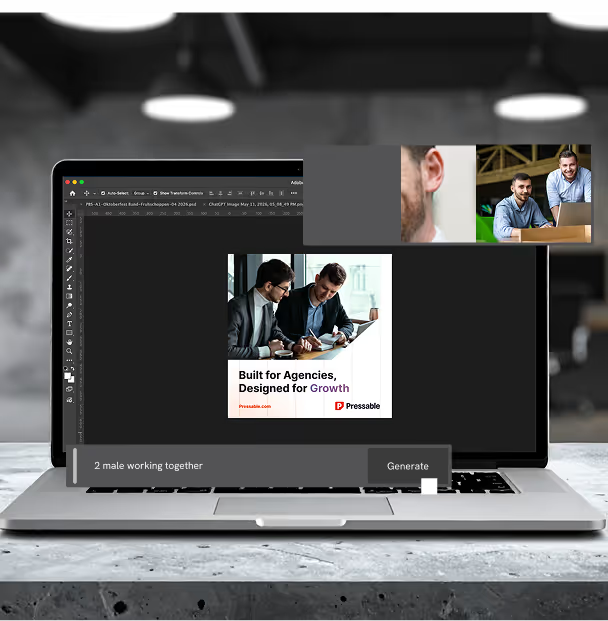
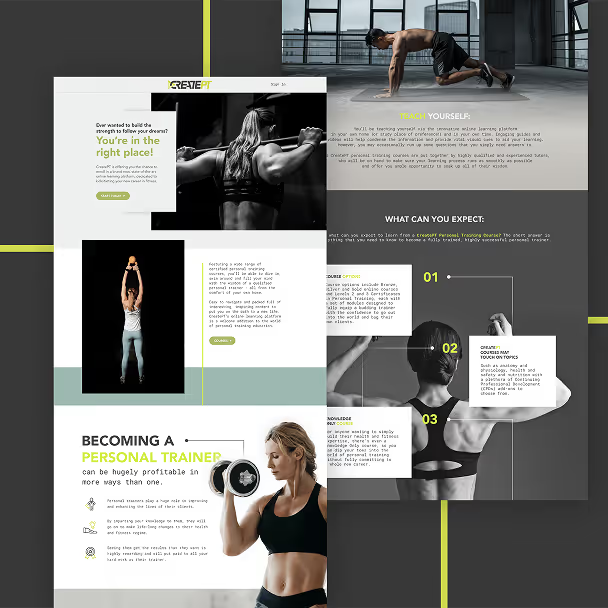
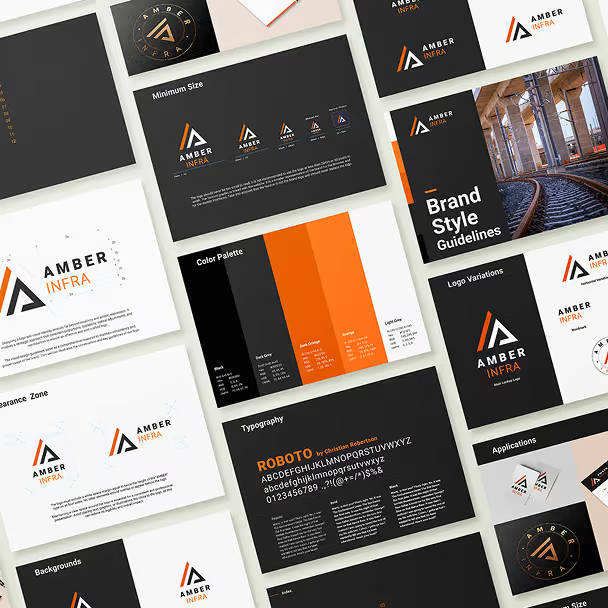
Explore some of the dynamic web applications, e-commerce stores, and custom software systems we have engineered.

YOUR PROJECT HERE?
Just say hello or send us an RFP


NEED NEW IDEAS?
Get familiar with our services


YOUR PROJECT HERE?
Just say hello or send us an RFP


SAAS ENGINEERING
Build multi-tenant subscription platforms with interactive billing, usage dashboards, and Stripe invoice integrations.
Case Example: Pizza Order Flow
Submit a simulated order below to watch data flow across the Frontend, Backend, and Database in real-time.
Configure Simulation Parameters
Toggle backend status, latency, and SQL sanitization behaviors to test system responses.
// Express server console log
[15:16:22] Server listening on port 8080...
[15:16:22] Connected to database cluster successfully.
[READY] Waiting for requests...
Logbook Table
Live entries saved inside database memory.
| Name | Toppings | Status |
|---|---|---|
| Sarah | 🍕 Pepperoni, 🍄 Mushroom | Cooked |
| Alex | 🧀 Cheese | Cooked |
Our Full-Stack Architecture
The core pillars of our full-stack engineering, combining high-speed interfaces with secure, robust backend systems.
1. Interactive Frontend
We design pixel-perfect, lightning-fast interfaces using React, Next.js, and Astro. Optimized for core web vitals, responsiveness, and conversion rates.
2. Secure APIs & Backend
Powering data workflows, session security, payments, and system integrations using Node.js, Go, or Python. Built to scale elastically.
3. Scalable Data Engines
Optimized PostgreSQL and MongoDB schema configurations ensuring zero data loss and sub-ms reads using structured indexes and caching.
4. Edge Cloud & CI/CD
Automated pipelines that run builds, execute tests, and deploy containerized solutions to AWS or Vercel's global edge network.
Types of Web Applications We Build
We design and engineer secure, responsive, and robust web applications customized for high conversions.
SaaS Platforms & Dashboards
Subscription software platforms containing interactive user roles, real-time telemetry metrics graphs, and Stripe invoice billing portals.
E-Commerce Stores
High-speed retail shops featuring custom search algorithms, category filters, responsive product pages, and checkout grids.
Corporate & Business Websites
Premium multi-page corporate sites showcasing client services, interactive team boards, secure contact forms, and newsletters.
Booking Systems & Portals
Interactive appointment schedulers, reservation calendar blocks, customer account portals, and educational learning grids.
High-Performing, Feature-Packed Web Solutions
Designcoffers specializes in website design and development services, delivering digitally transformative web experiences. Our solutions are user-friendly, fully functional, secure, and scalable to grow with your enterprise.
Frontend Development
From single-page applications to progressive web apps, we deliver beautiful, useful interfaces. Using React, Vue, and Astro combined with TailwindCSS or vanilla CSS, we focus on responsive, efficient, and visually appealing user experiences.
Backend Development
Highly scalable, well-architected server structures running on Express.js, FastAPI, and Django. We design secure, efficient SQL and NoSQL database layers ensuring optimal performance and seamless data management behind the scenes.
Integration & Deployment
Expertise in connecting third-party APIs (Stripe, PayPal, HubSpot) and configuring scalable hosting solutions. We manage CI/CD pipelines to streamline deployment, optimize speeds, and deliver reliable technical integrations.
Full Web App Projects
From interactive prototypes swiftly deployed for user testing to custom content management systems and full-scale applications. We ensure each solution is meticulously crafted to meet specific business goals and scale smoothly.
Security & Standards
Grounded in quality engineering, utilizing short-lived feature branches, Test-Driven Development (TDD), and strict data compliance. Ideal for regulated sectors like Fintech and Healthcare where security and data privacy are paramount.
Quick Turnaround Times
We excel in integrating into established code bases and collaborating effectively. Our streamlined delivery pipelines guarantee rapid, intelligent website and software development without compromising on quality or performance.
Core Capabilities Ledger
Partnering with Global E-Commerce Leaders






Let's build something remarkable.
Deploy secure, responsive, and robust web applications powered by custom frontend designs and bulletproof backend clusters.