
UI/UX
Design
Learn how visual interfaces (UI) and user feelings (UX) work together to create apps and websites people love using.










Why is a Professional Interface & Usability Strategy so important for businesses?
A product that looks beautiful but confuses users at step three loses the sale. Poor information architecture and unclear navigation are silent revenue killers — most companies never trace churn back to their interface, so they never fix it.
Strategic UI/UX design eliminates that friction. Defined user flows, validated prototypes, and a consistent component library mean your development team codes against clarity — not guesswork. The result: faster shipping, fewer revisions, lower CAC, and higher LTV from day one.
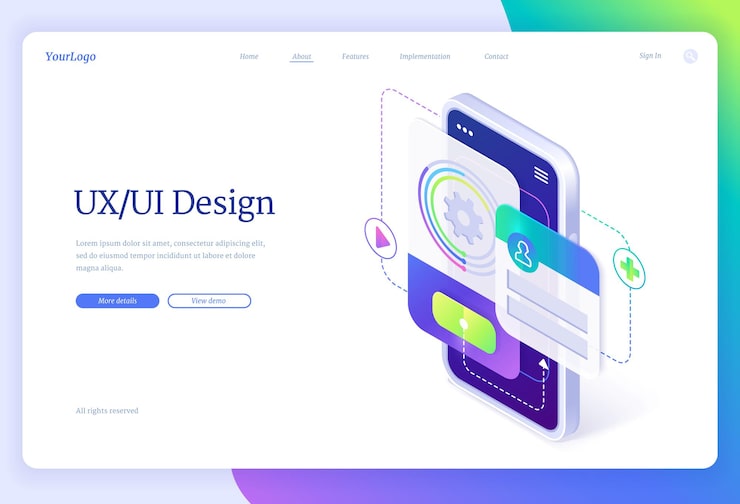
Hire the Professional — Hire Designcoffers
Figma Component Architecture
We build production-ready Figma component libraries with atomic design principles — reusable patterns, responsive grids, design tokens, and documented states that translate directly into clean front-end code.
Usability & UX Research
User journey mapping, heuristic evaluations, and click-test data drive every layout decision. We identify friction points before a single line of code is written — saving weeks of rework downstream.
Interactive Prototyping
High-fidelity, clickable Figma prototypes that simulate real product behavior — validated with stakeholders before any development resource is committed.
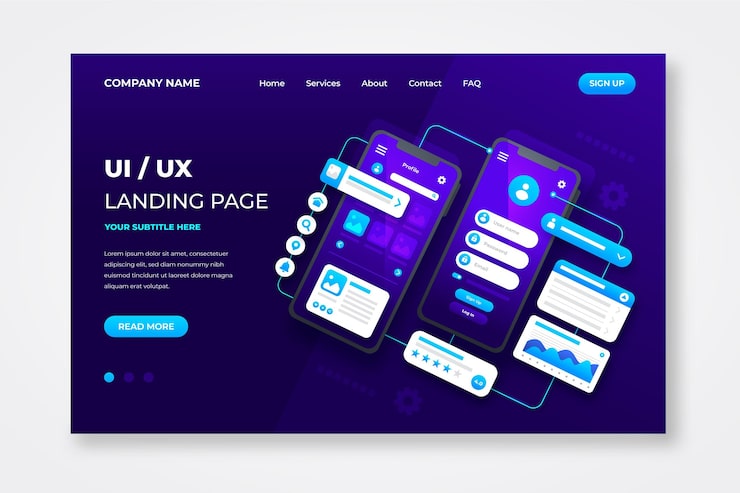
Engage Audiences, Boost Retention, Maximize ROI
Users form a judgment about your product in 50 milliseconds. A cluttered layout, inconsistent type scale, or non-obvious CTA placement will cost you conversions before a single session recording is reviewed. We build interfaces where every micro-decision is intentional.
Our Figma design systems — with real tokens, auto-layout components, and annotated handoff files — don't just look good in review. They cut frontend development time by up to 40% and virtually eliminate the "that's not what I designed" feedback loop.
Here are our Key Growth Actions:
Our Recent Work
Explore some of the live interfaces, assets, and design showcases we have delivered for our clients.
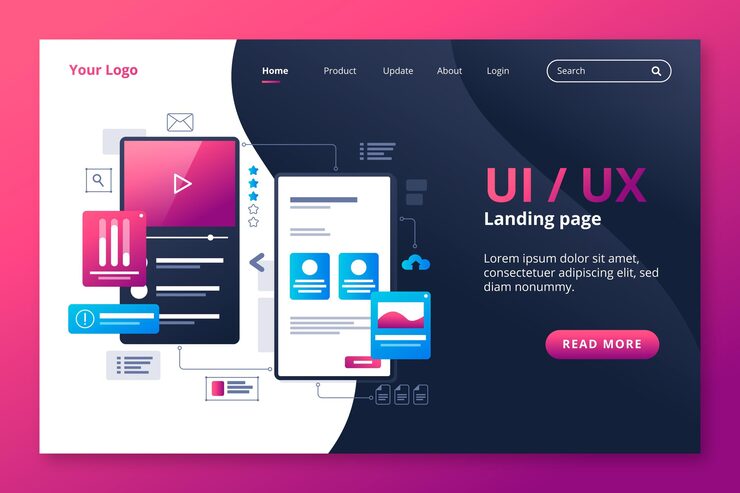
UI/UX Layout Sandbox
Experiment with visual styling (UI) and logical flow (UX) options below. See how changes impact usability score.
Optimal — All UX principles applied
Design Interfaces That
Convert & Retain
We craft beautiful, intuitive digital products that delight users and drive measurable business outcomes.
Creative Design Enhances Conversion
Creative Design • Grab Attention • Generate Revenue
Designcoffers plays a crucial role in influencing consumer perceptions and product adoption decisions. Our creative UI/UX designs grab buyer attention, making products stand out in both local and global markets.
Through innovative design, businesses like Designcoffers enhance brand visibility & attractiveness, leading to increased sales potential.
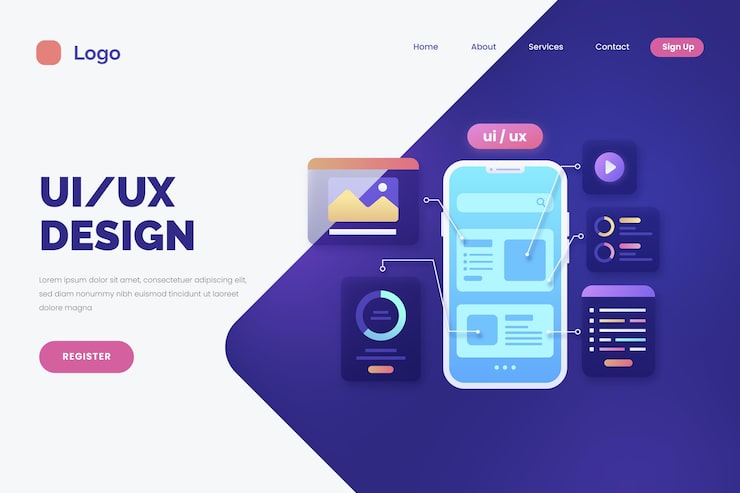
Winning Results
We work tirelessly to achieve meaningful growth and results for our clients.
Boost Your ROI With Our Proven UI/UX Method, Build a Visible Target Audience & Strong Brand Presence & Increase Your Sales.
Boost your Sales & Increase ROI with Our Innovative UI/UX Design Team. Experience Excellent Outcomes & Tangible Results.
Clients will be pleased with the outcome and usability results, ensuring satisfaction & enhanced business success.
Design Services We Master
We design secure, responsive, and robust user interfaces customized for high conversions.
SaaS Platforms & Dashboards
Subscription software platforms containing interactive user roles, data layouts, and admin portals.
E-Commerce Stores
High-speed retail shops featuring custom search layouts, category filters, and intuitive product galleries.
Mobile Applications
Bespoke iOS and Android mobile layouts focused on ergonomic navigation, tap zones, and responsive screens.
Partnering with Global Design & Tech Leaders






Let's build something remarkable.
Partner with our dedicated designers to build beautiful wireframes, user journeys, high-fidelity mockups, and interactive Figma prototypes.