
Photography &
3D Rendering
Studio-quality product shots, photorealistic CGI renders, and lifestyle composites — delivered at flat-rate speed without per-shot fees.











Beautiful Product Visuals Build Customer Trust.
In e-commerce, shoppers judge the quality of your product by the quality of your images. Blurry or basic photos look unprofessional and lead to lost sales.
We combine professional studio photography with realistic 3D renderings to create high-quality product images that make your brand stand out on Amazon, Shopify, and social media.
With our simple monthly subscription, you can request unlimited product renders, studio packshots, and lifestyle images to keep your store looking fresh and professional.
One Flat Monthly Rate. Unlimited Product Visuals.
A great product deserves to look amazing online. Whether you need clean white-background photos, realistic 3D renders, or lifestyle scene layouts, we handle it all.
From setting up lighting and textures to polishing the final image, we manage the entire process. You get a dedicated team of professional photographers and 3D artists for a flat monthly price.
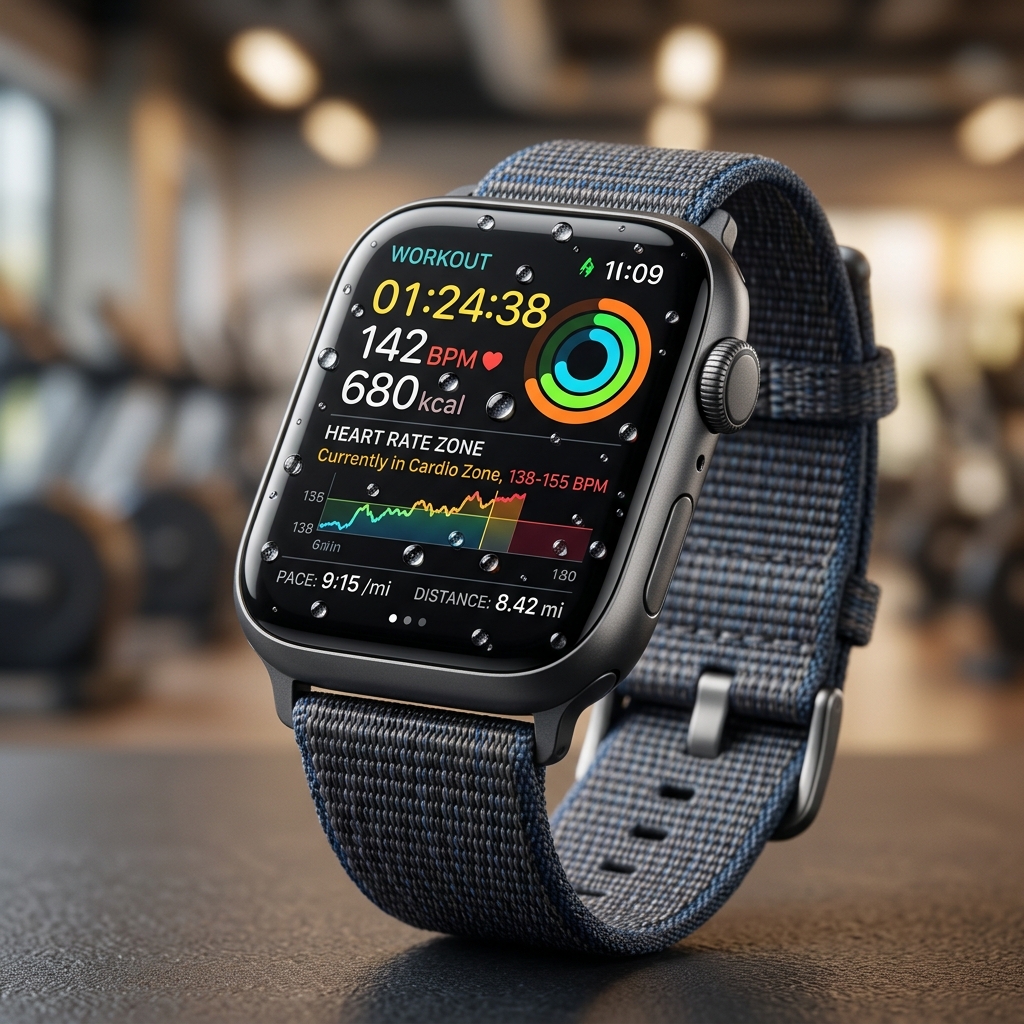
Our Capabilities Checklist includes:
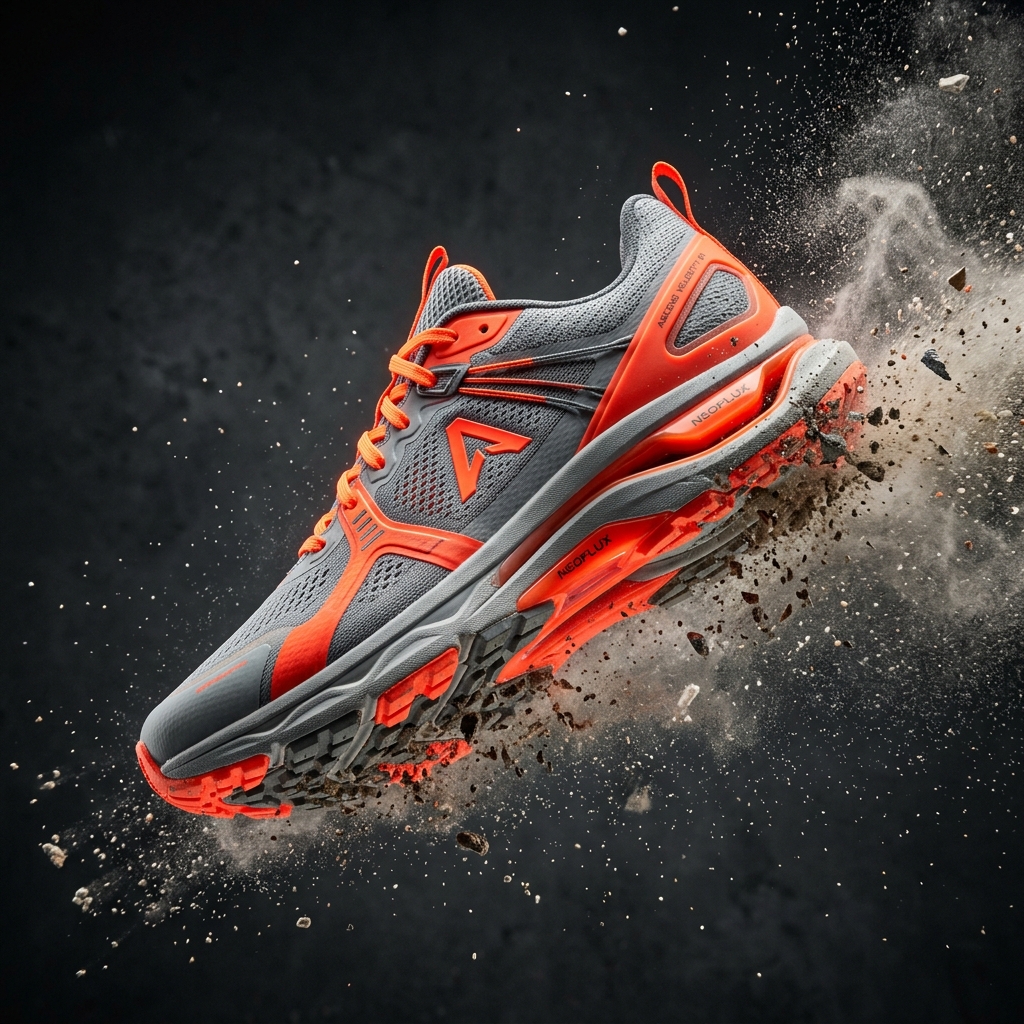
Realistic 3D Renders & Professional Studio Photos.
We create realistic 3D product models with natural lighting, shadows, and reflections that look identical to a real photograph.
Every detail, texture, and label is rendered in high definition so your products look clean, premium, and professional.
We manage everything from reference images to the final export. You can focus on growing your business while we deliver stunning visuals for your catalog.
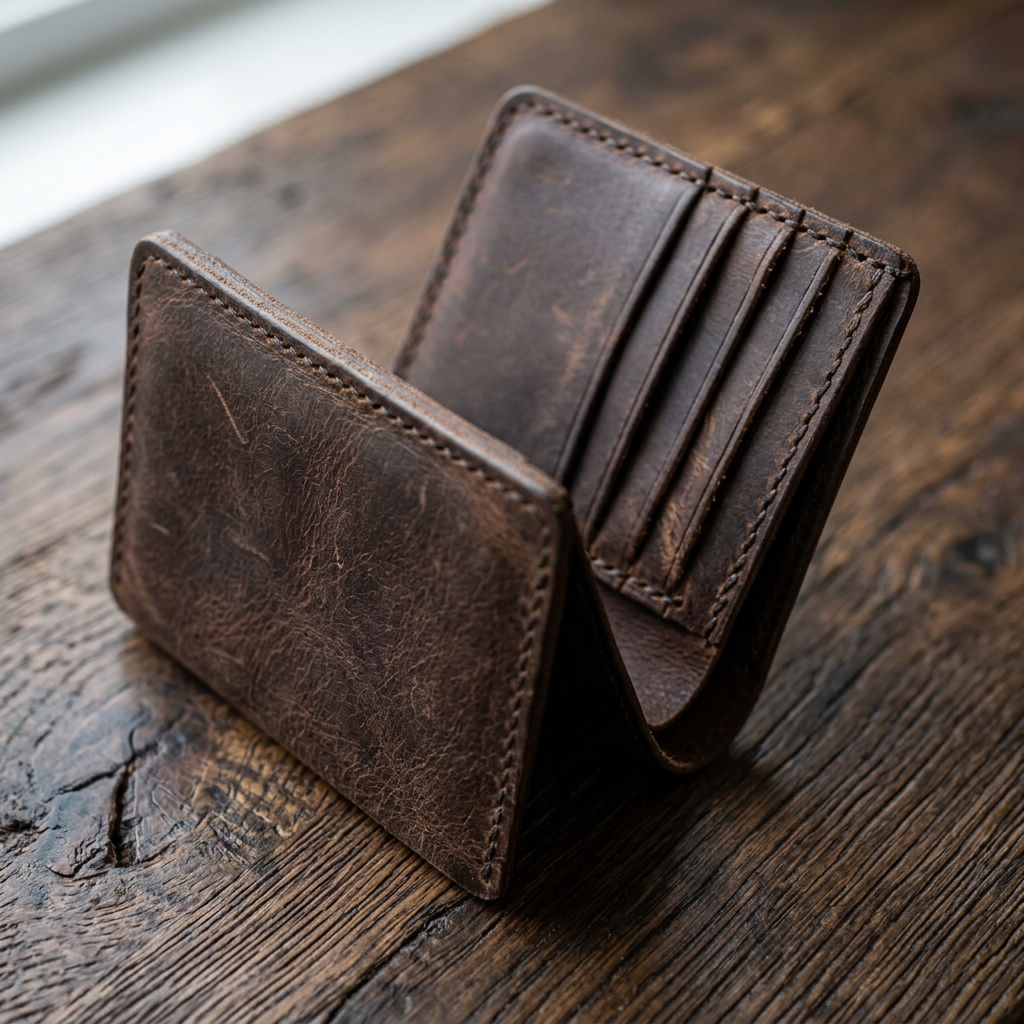
The Smartest Way to Scale Your Product Visuals.
No Hiring Headaches
Skip the slow process of hiring in-house photographers or expensive freelancers. Get instant access to senior visual designers.
Fixed Monthly Rate
Keep your marketing budget predictable. Get unlimited images, edits, and revisions for one flat monthly price.
Fast Delivery & Updates
Never delay a product launch. Get your first drafts within 24–48 hours, with regular updates to keep you in the loop.
Required Creative Disciplines
To master visual representation, rendering artists and photographers study multiple areas:
Our Recent Work
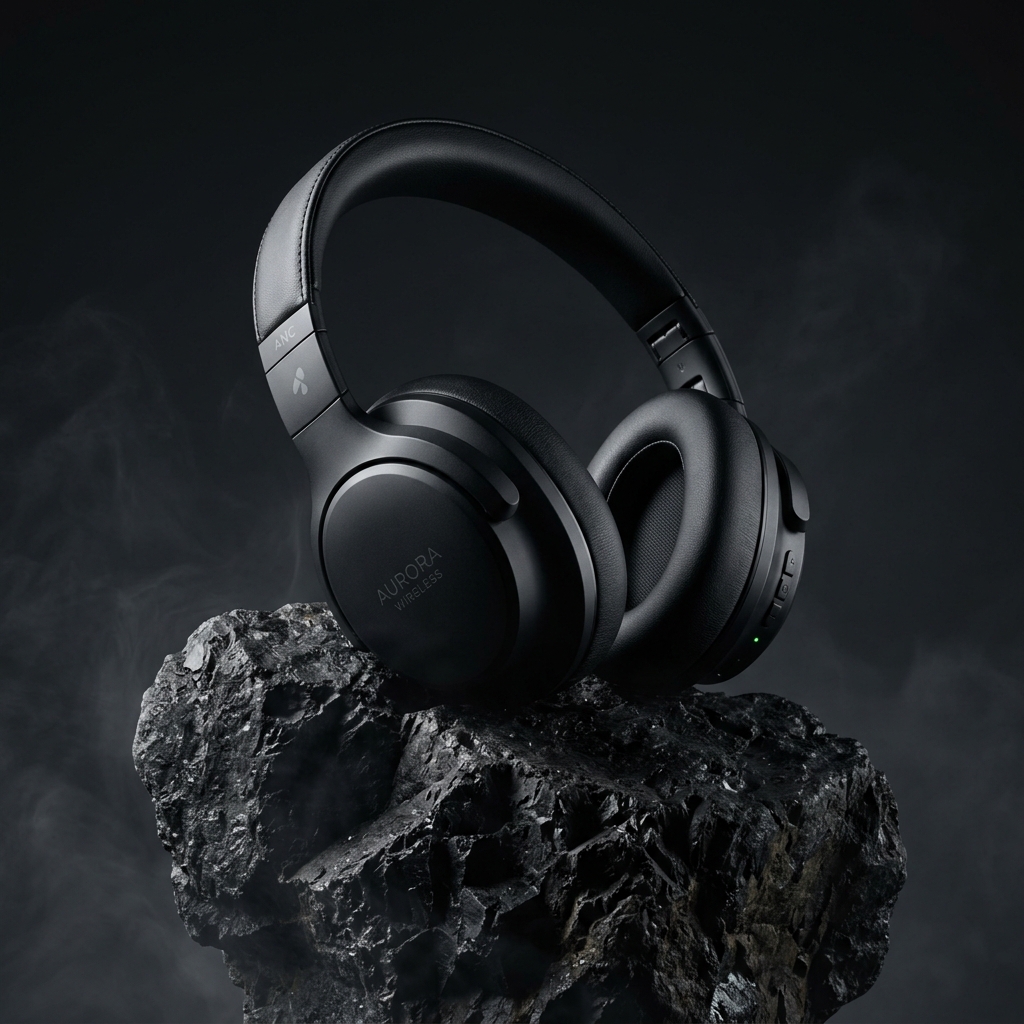
Explore some of the premium product photography and photorealistic 3D renders we have delivered for our clients.
YOUR PROJECT HERE?
Just say hello or send us an RFP to start crafting your custom product renders.

NEED NEW RENDERS?
Get familiar with our flat-rate subscriptions and 3D modeling packages.
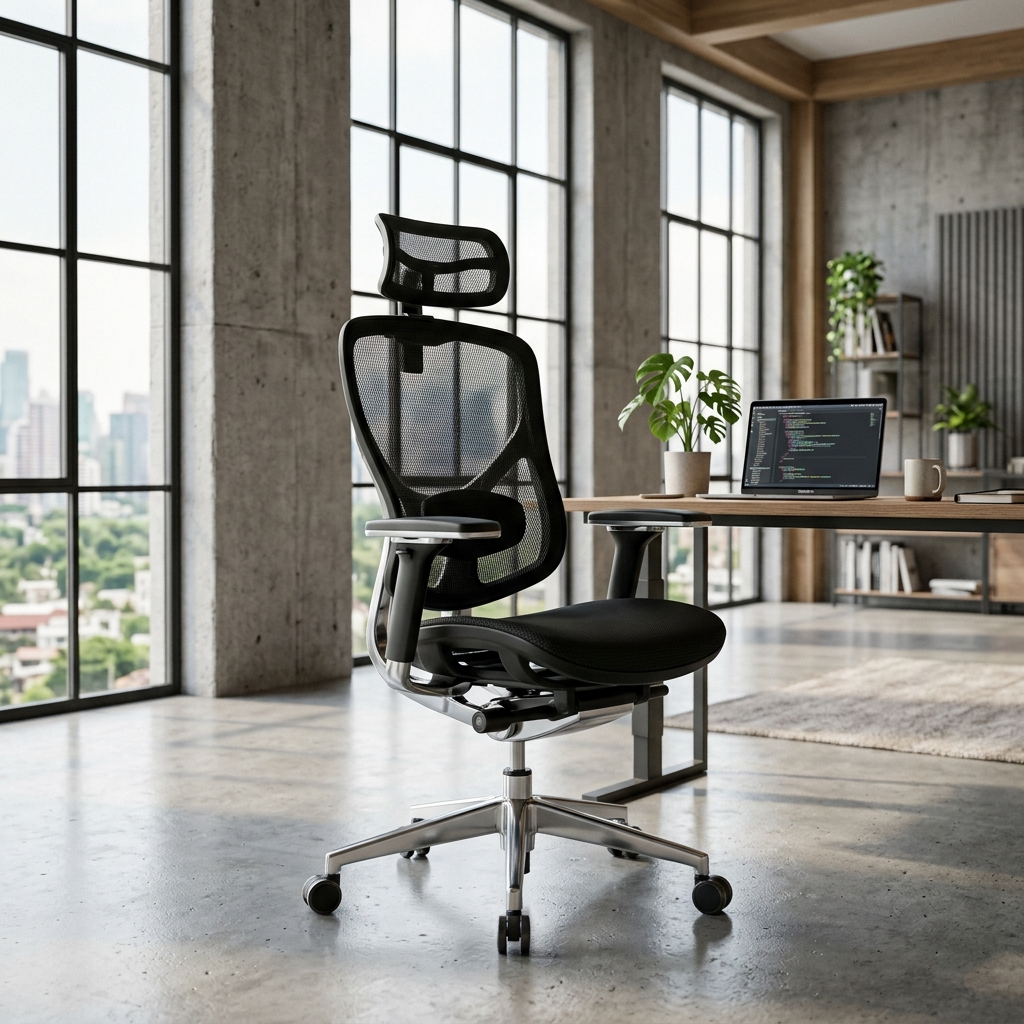
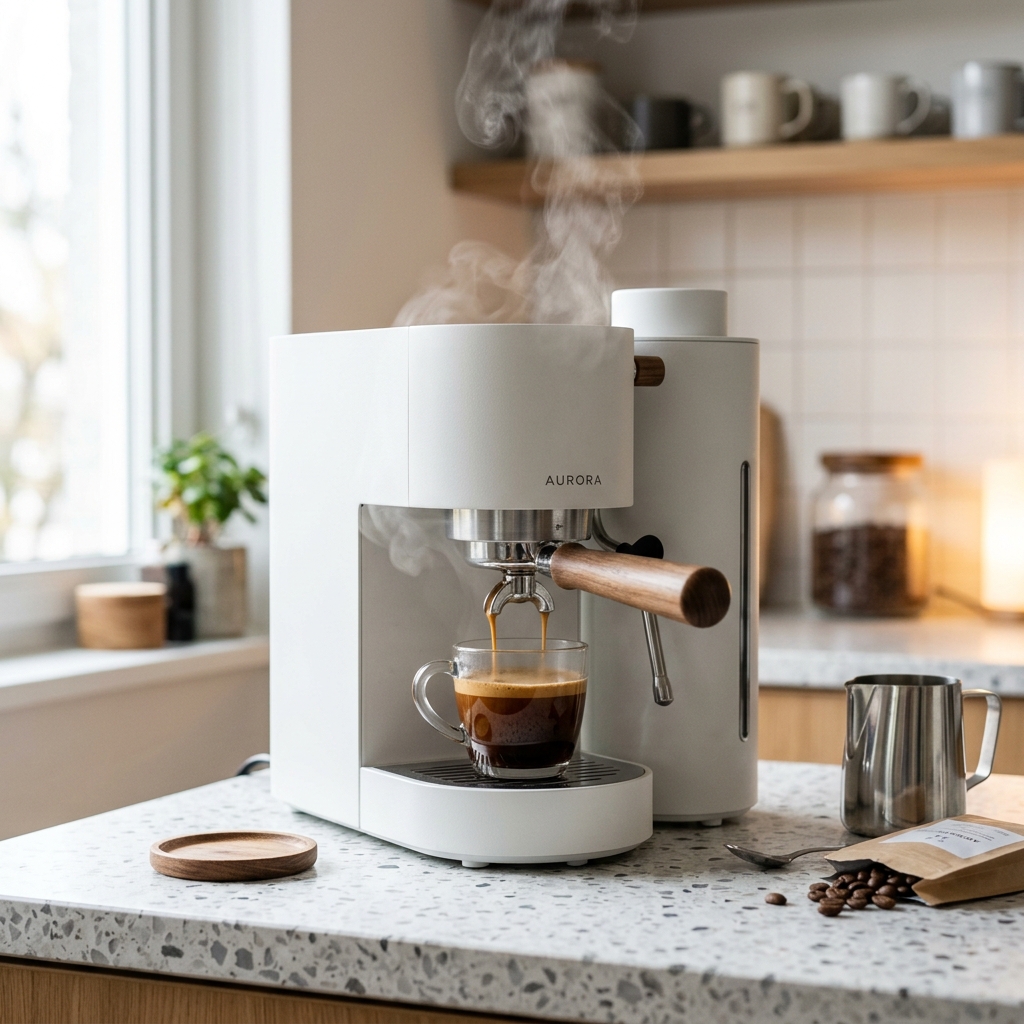
HIGH-RES EXPORTS
Let's build interactive pre-visualizations and 4K DPI renders for your print/digital catalogs.
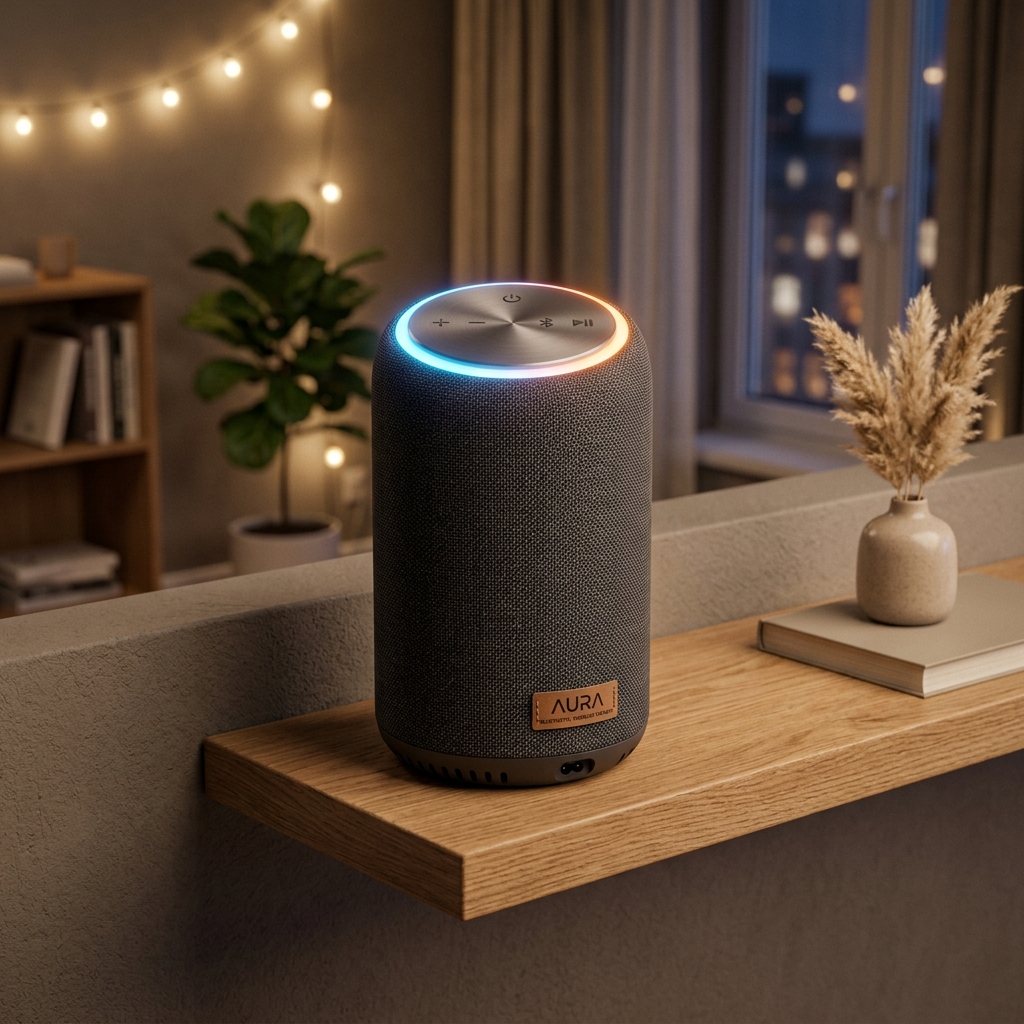
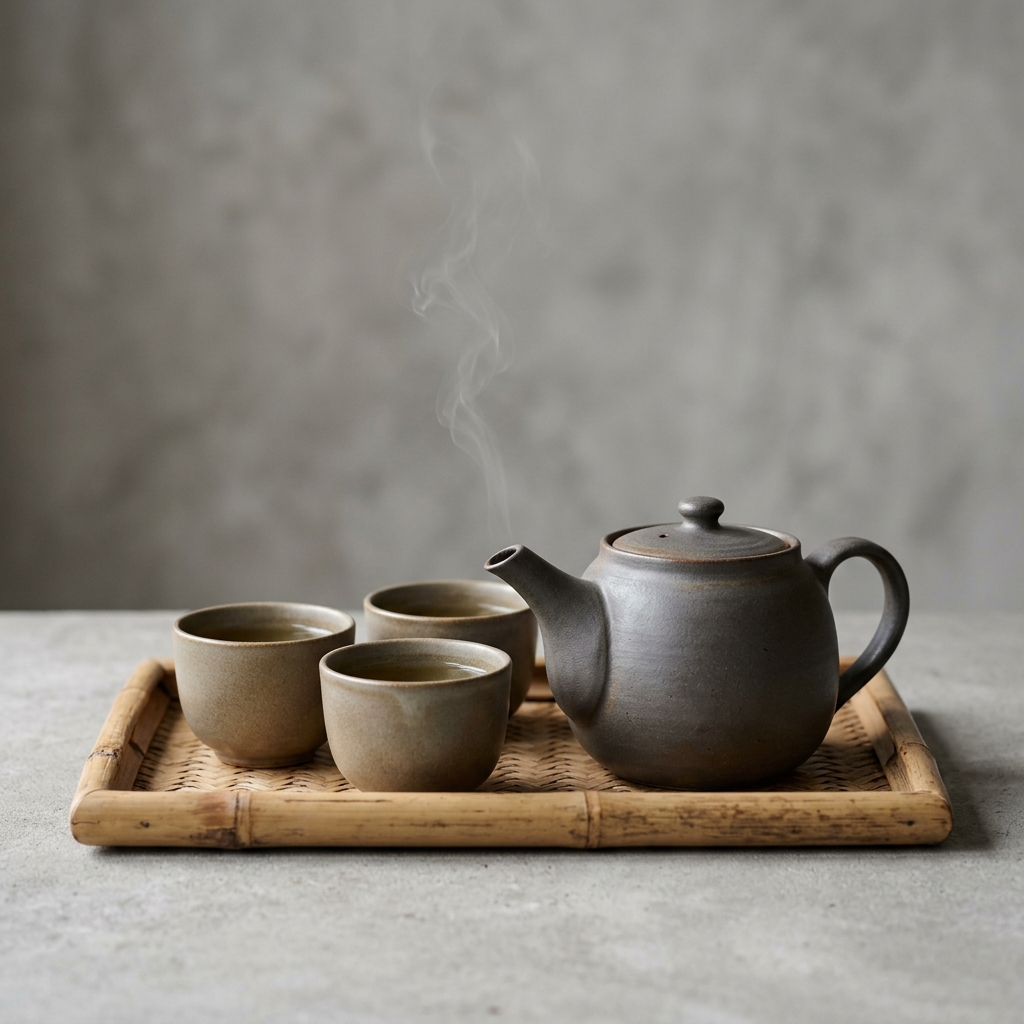
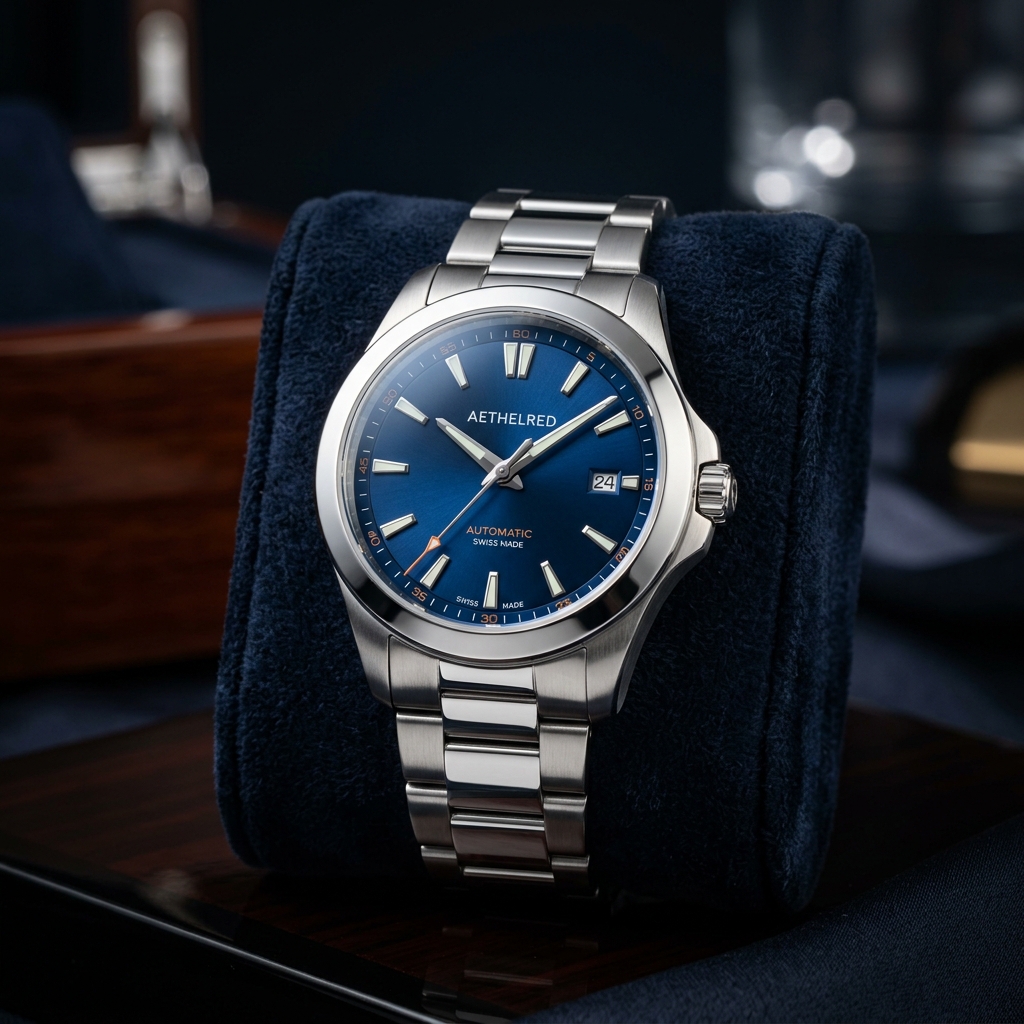
3D CGI STUDIO
Explore flat-rate monthly designs with unlimited rendering revisions.
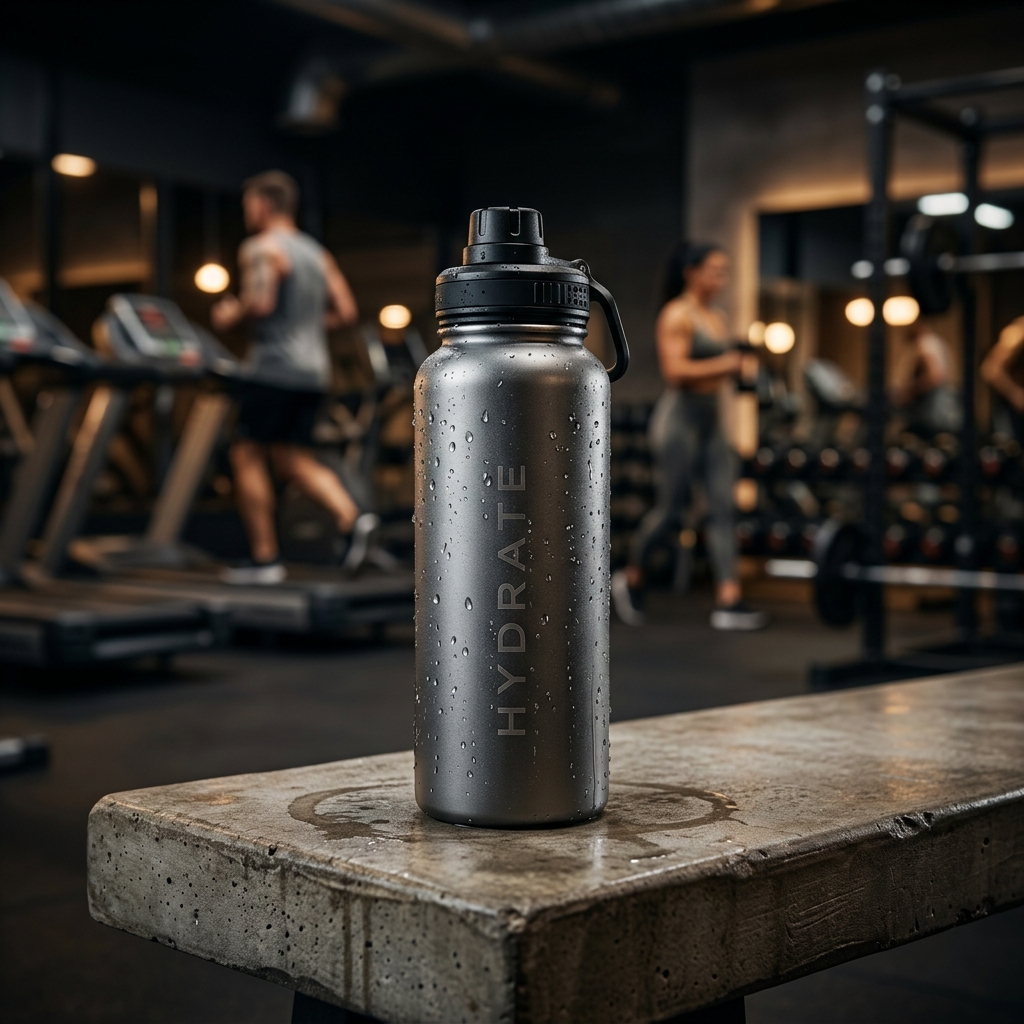
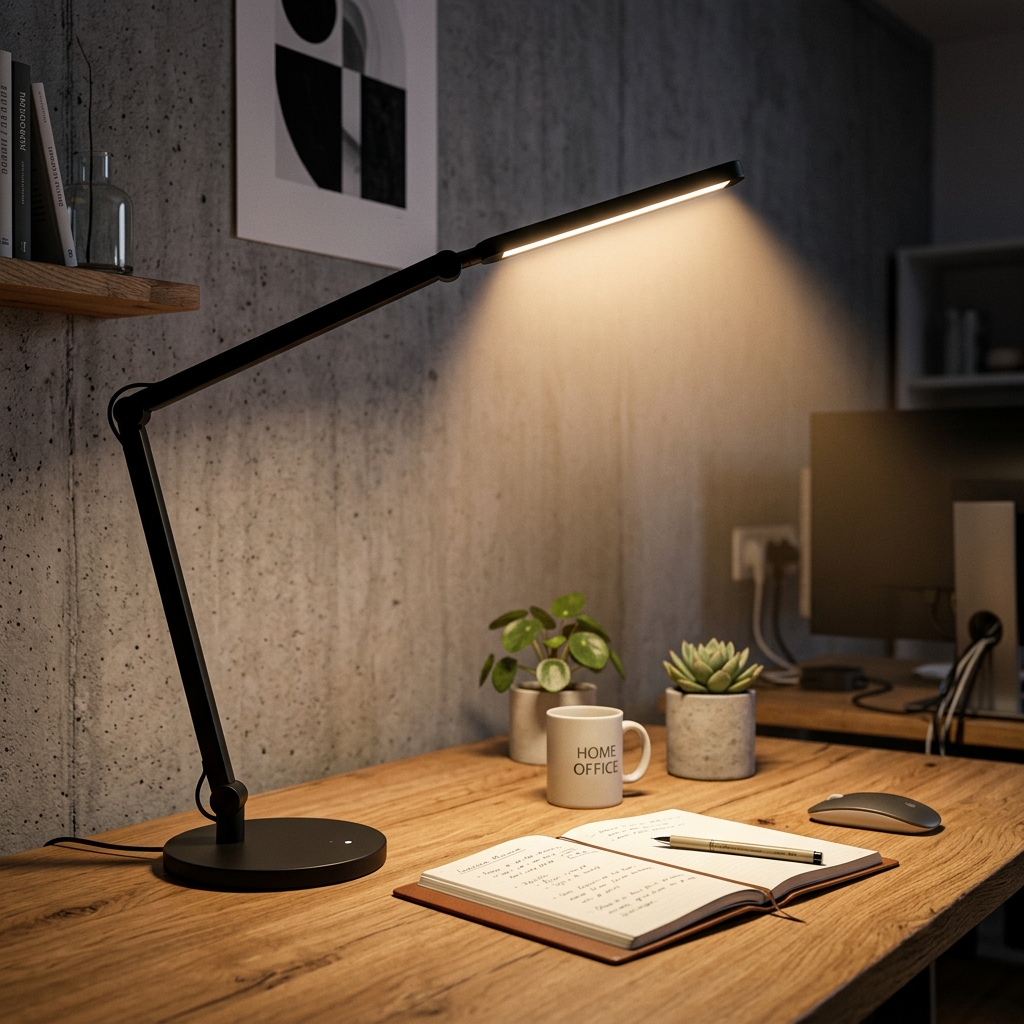
3D CGI STUDIO
Explore flat-rate monthly designs with unlimited rendering revisions.
Premium Images Drive Customer Purchases
Clean Details • Professional Looks • Increased Conversion
Online shoppers cannot touch your product, so they rely entirely on your photos. High-quality studio shots and 3D renders show customers that your brand is premium and trustworthy.
By replacing basic photos with clean, high-resolution visuals, you can showcase different product angles and colors clearly, making it easier for customers to buy with confidence.
Winning Results
We work tirelessly to achieve meaningful growth and conversion results for our clients.
93% of online shoppers say high-quality product images are the most important factor when choosing to buy.
Adding clean studio shots and realistic 3D renders increases add-to-cart rates by an average of 30%.
Change backgrounds, colors, textures, and lighting instantly without renting studios or shipping products.
Partnering with Global Design & Tech Leaders






Let's build something remarkable.
Showcase your products with professional photography studio services and photorealistic 3D renders.