
Packaging &
Label Design
Structural dielines, print-ready label systems, and eco-material packaging — engineered to win on shelves and satisfy regulatory compliance.










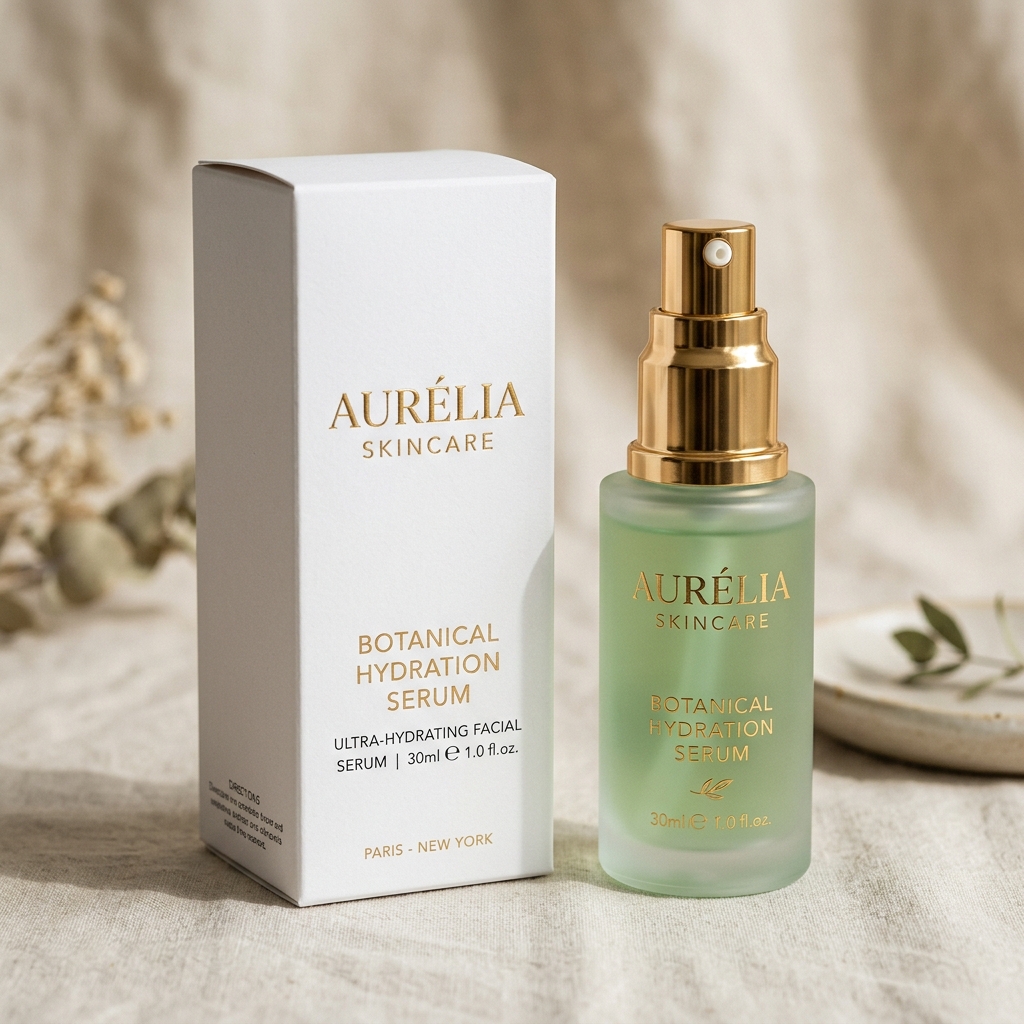
Stunning Packaging Builds Immediate Shelf Authority.
Your packaging is the first point of contact with your customer. Whether on a physical retail shelf or an online storefront, shoppers judge the quality of your product by the quality of its container. Premium packaging transforms simple goods into a trusted brand.
We create custom boxes, dielines, and bottle labels that stand out in crowded markets. From boutique cosmetics to large-scale retail packaging, we design every layout to be 100% print-ready.
Under our simple monthly subscription, you can request unlimited package styles, dieline modifications, and label variations — keeping your entire product line fresh, unified, and competitive.
One Flat Monthly Rate. Unlimited Packaging Designs.
A great product deserves an exceptional showcase. Whether you need structural box dielines, textured bottle labels, or custom mailer designs, we handle it all.
From initial concept sketches to technical manufacturer-ready vector files, we manage the entire creative process. You get access to senior packaging designers and print production experts for one flat monthly price.
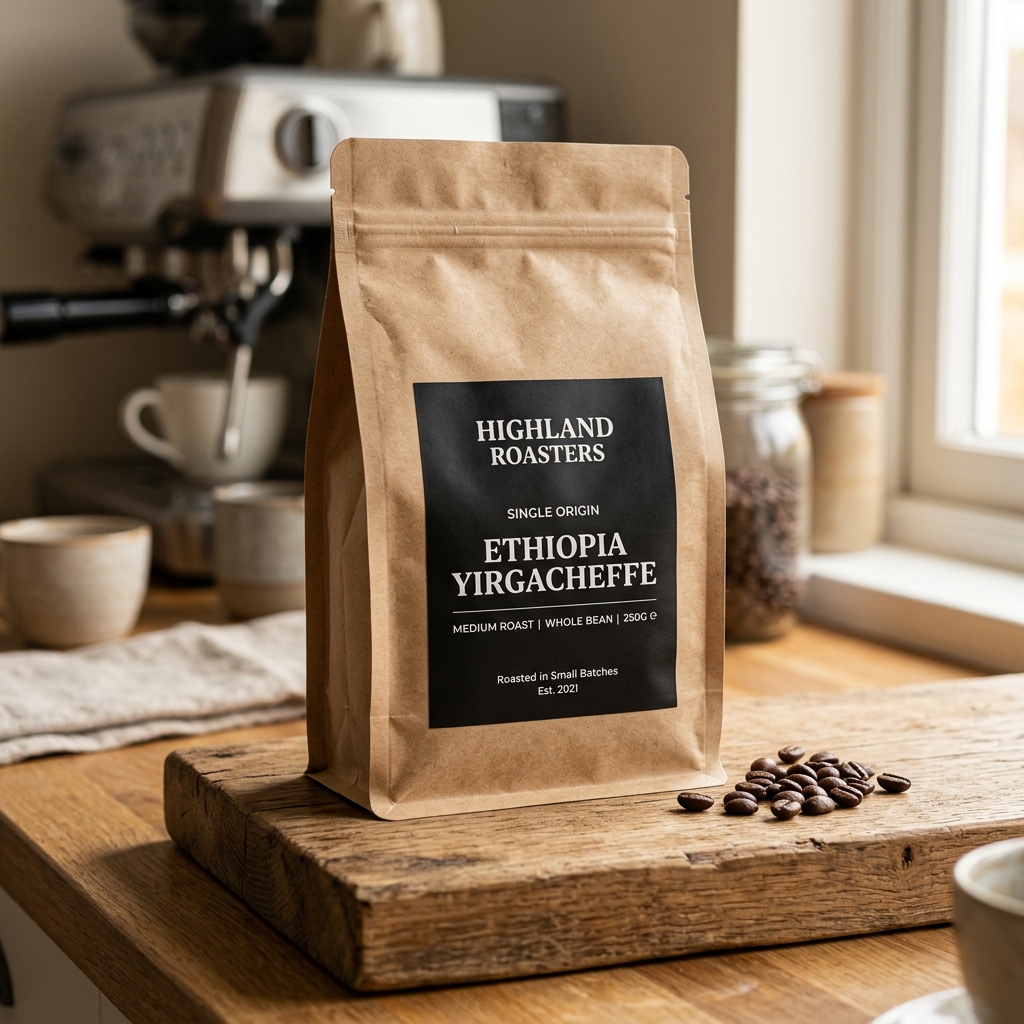
Our Capabilities Checklist includes:
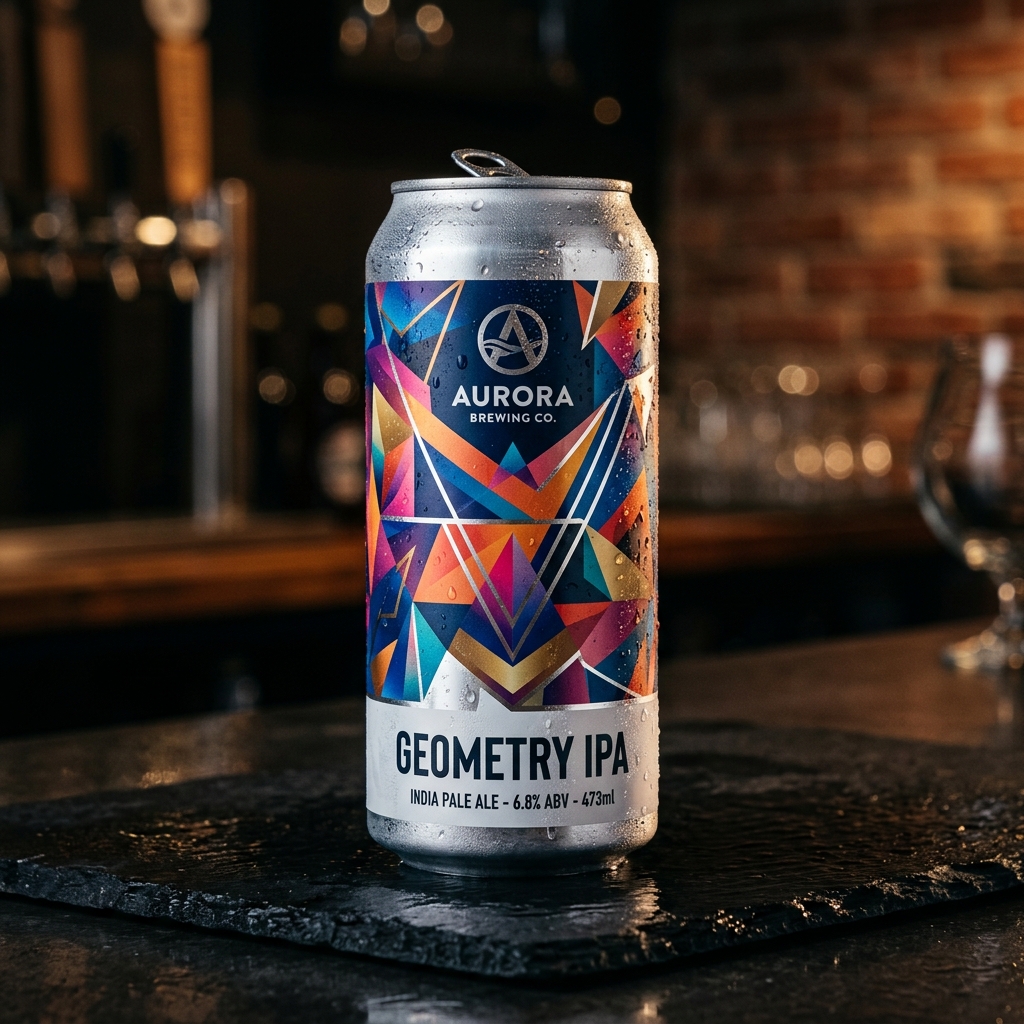
Print-Ready Vector Files & Compliant Label Layouts.
We design packaging templates with millimeter precision, ensuring your dielines fit perfectly when sent to the print shop. Every export includes accurate cut lines, fold creases, and safety bleed margins.
We structure regulatory labeling text—including ingredient lists, nutrition panels, barcodes, and warning blocks—to ensure your design is visually clean while fully meeting commercial retail standards.
We handle the technical setup from first draft to final vector files, allowing you to focus on production while we deliver press-ready graphics to your manufacturers.
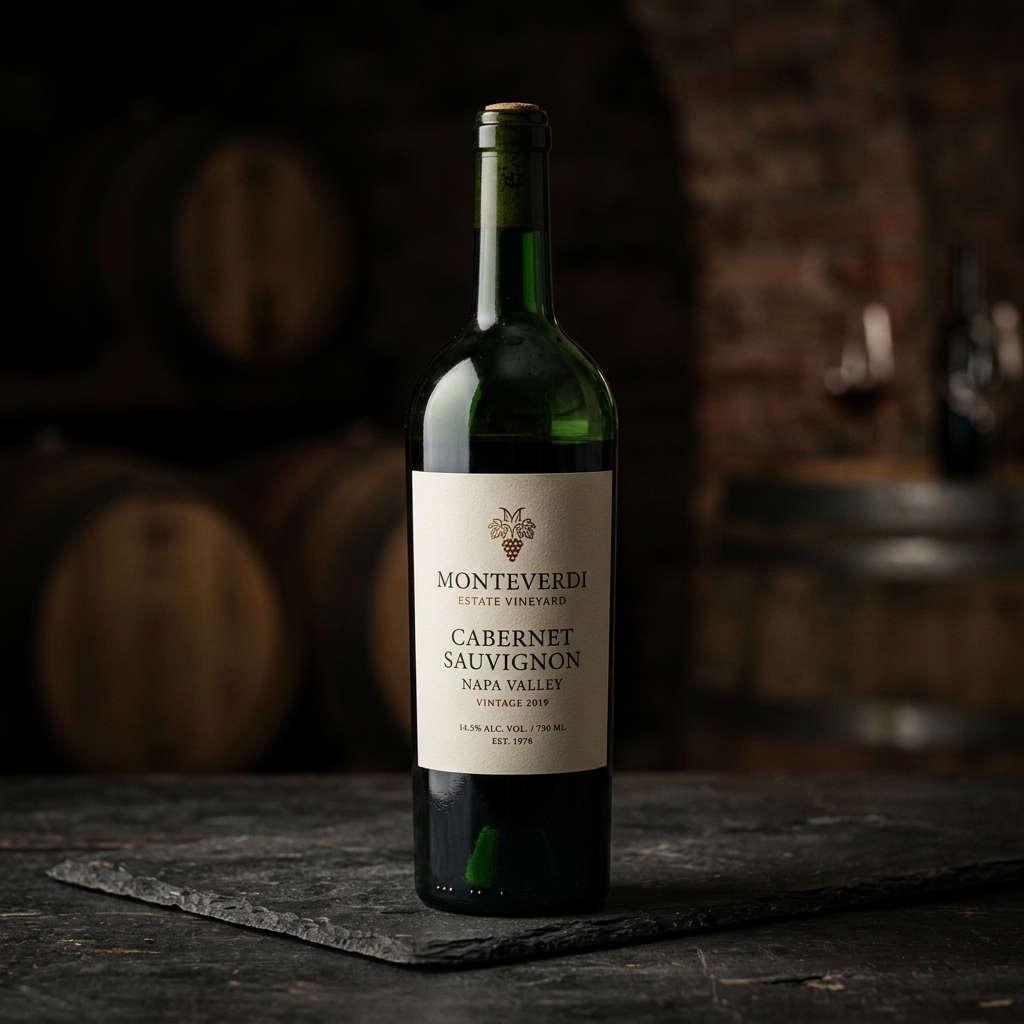
The Smartest Way to Scale Your Product Packaging.
No Hiring Headaches
Skip the hassle of recruiting specialized print designers or managing unreliable freelancers. Work directly with experienced packaging artists.
Fixed Monthly Rate
Keep your design budgets clean. Request unlimited label revisions, dieline adjustments, and new packaging variations for one flat monthly rate.
Fast Delivery & Updates
Never miss a manufacturing deadline. Receive your initial drafts within 24 to 48 hours, with transparent progress tracking from start to finish.
Required Creative Disciplines
To master retail brand packaging design, our artists study multiple complex areas:
Our Recent Work
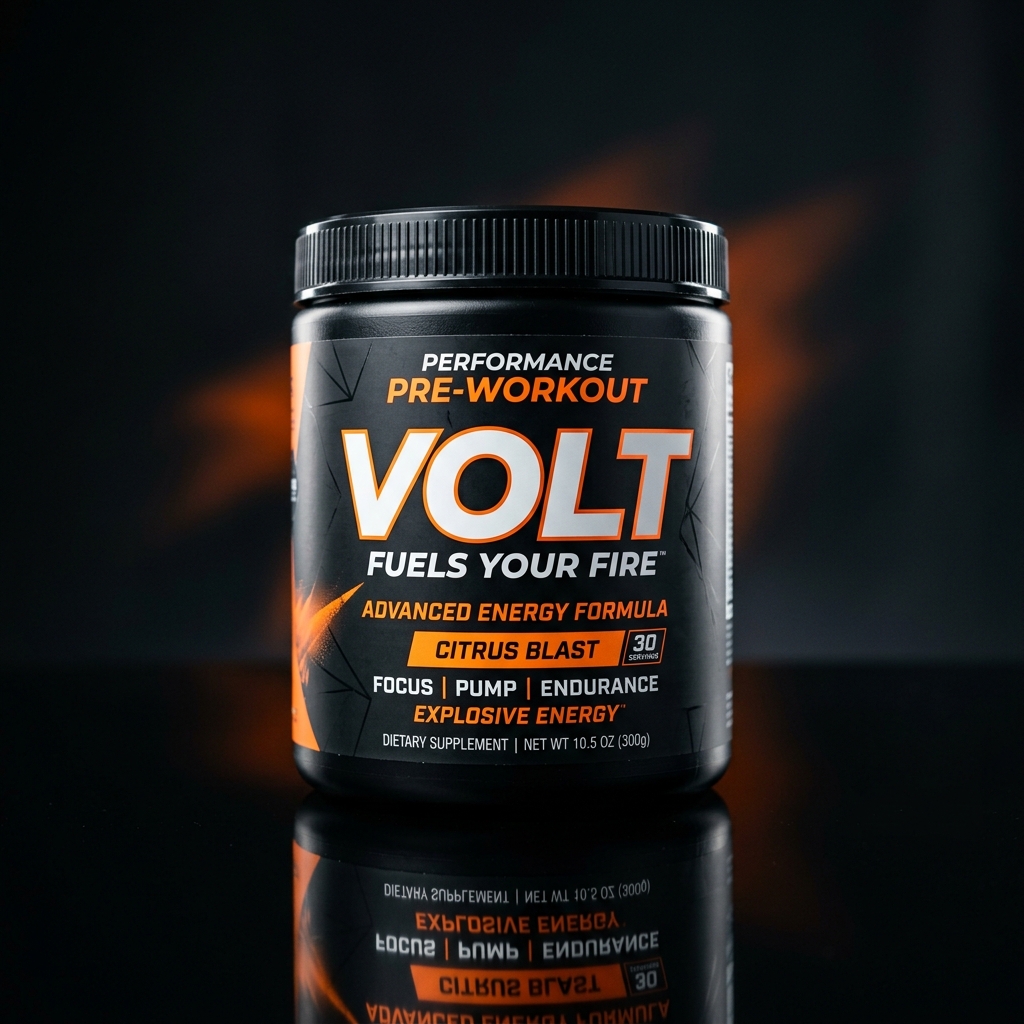
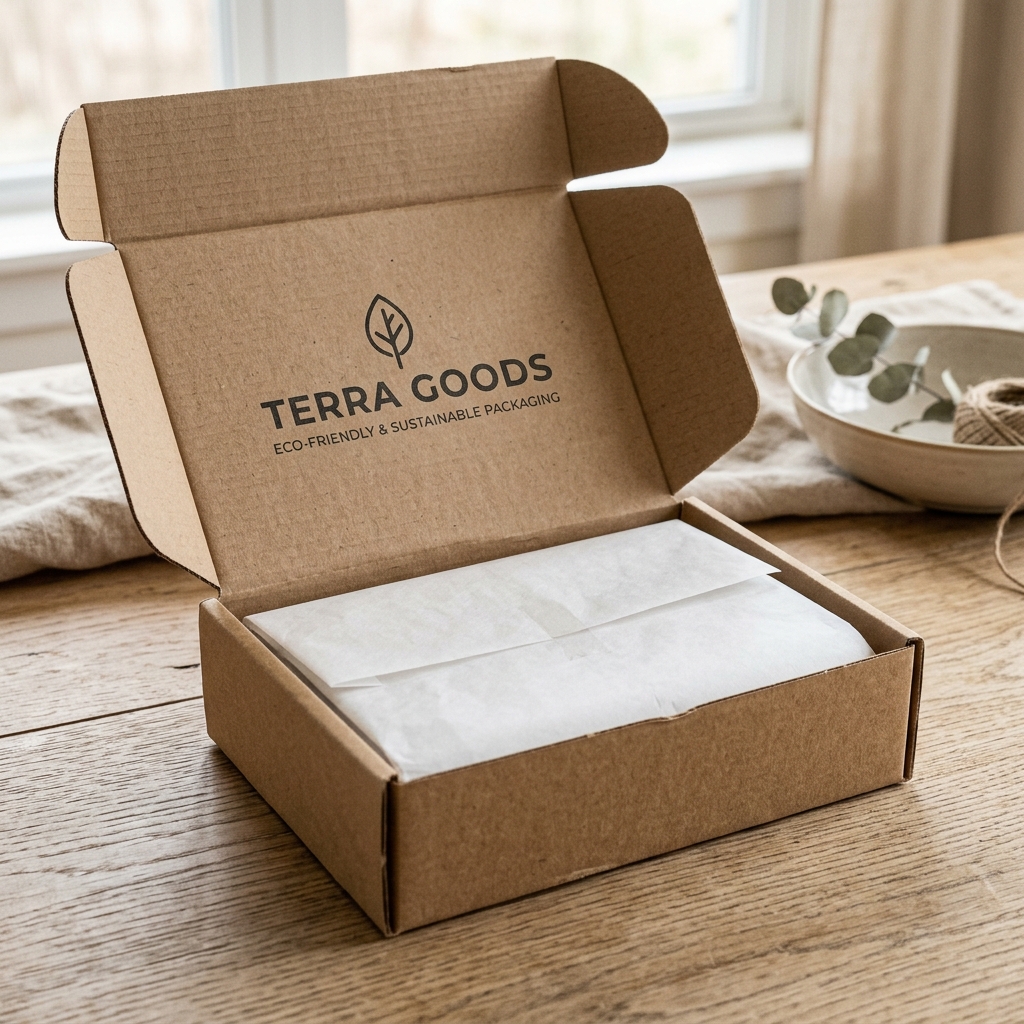
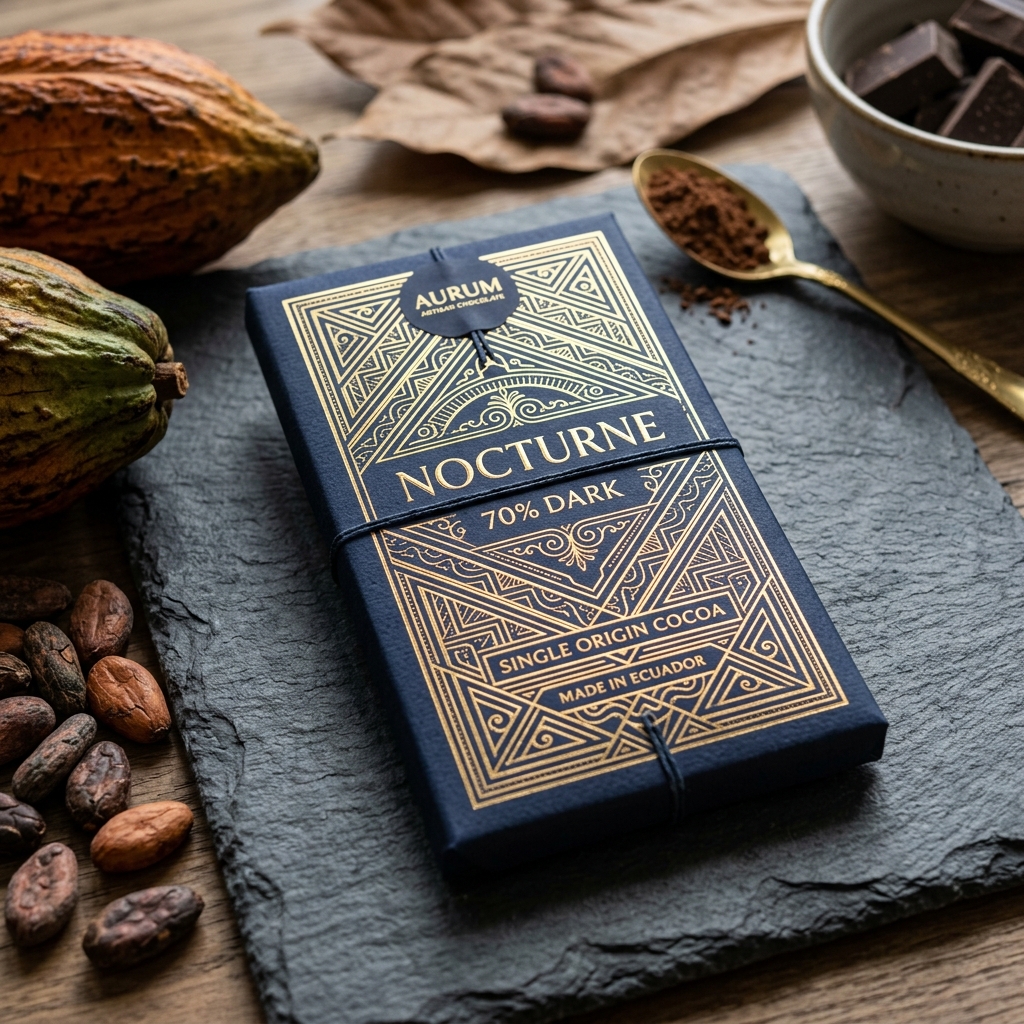
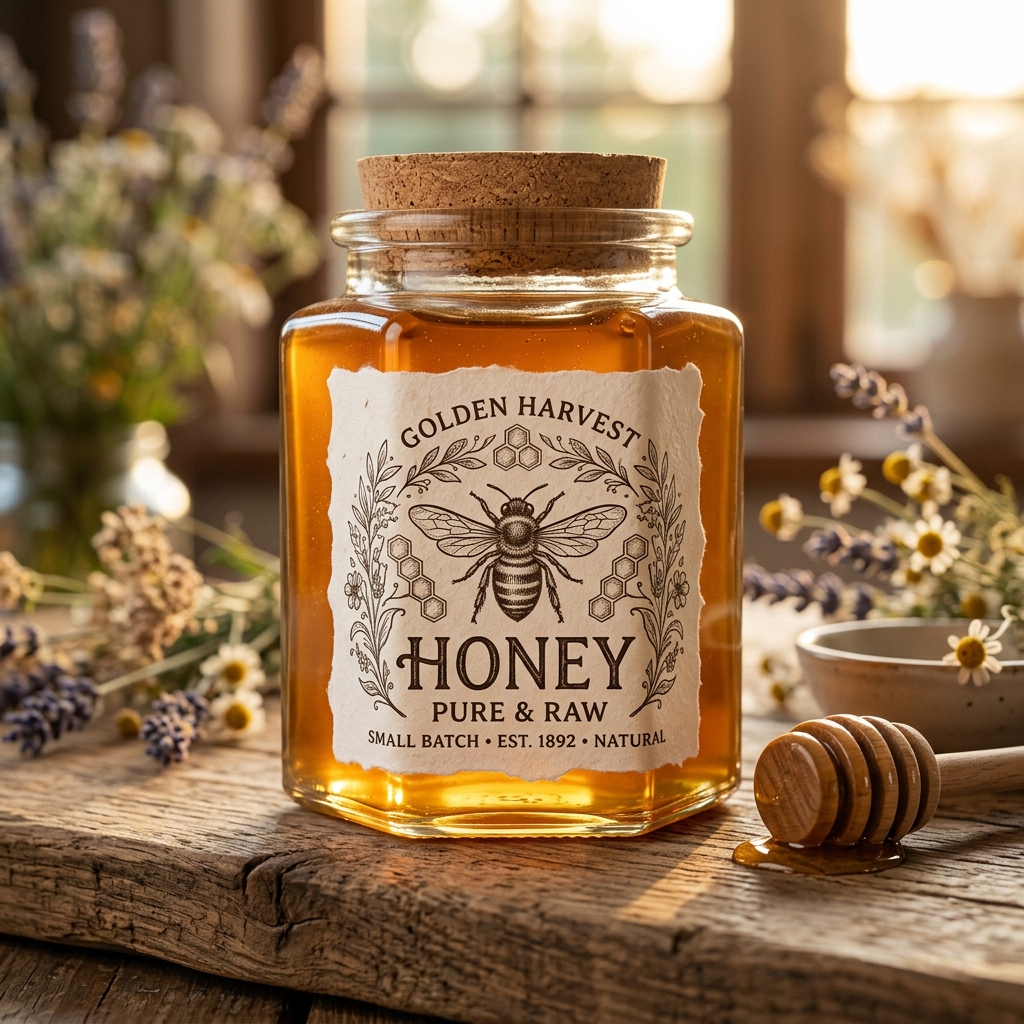
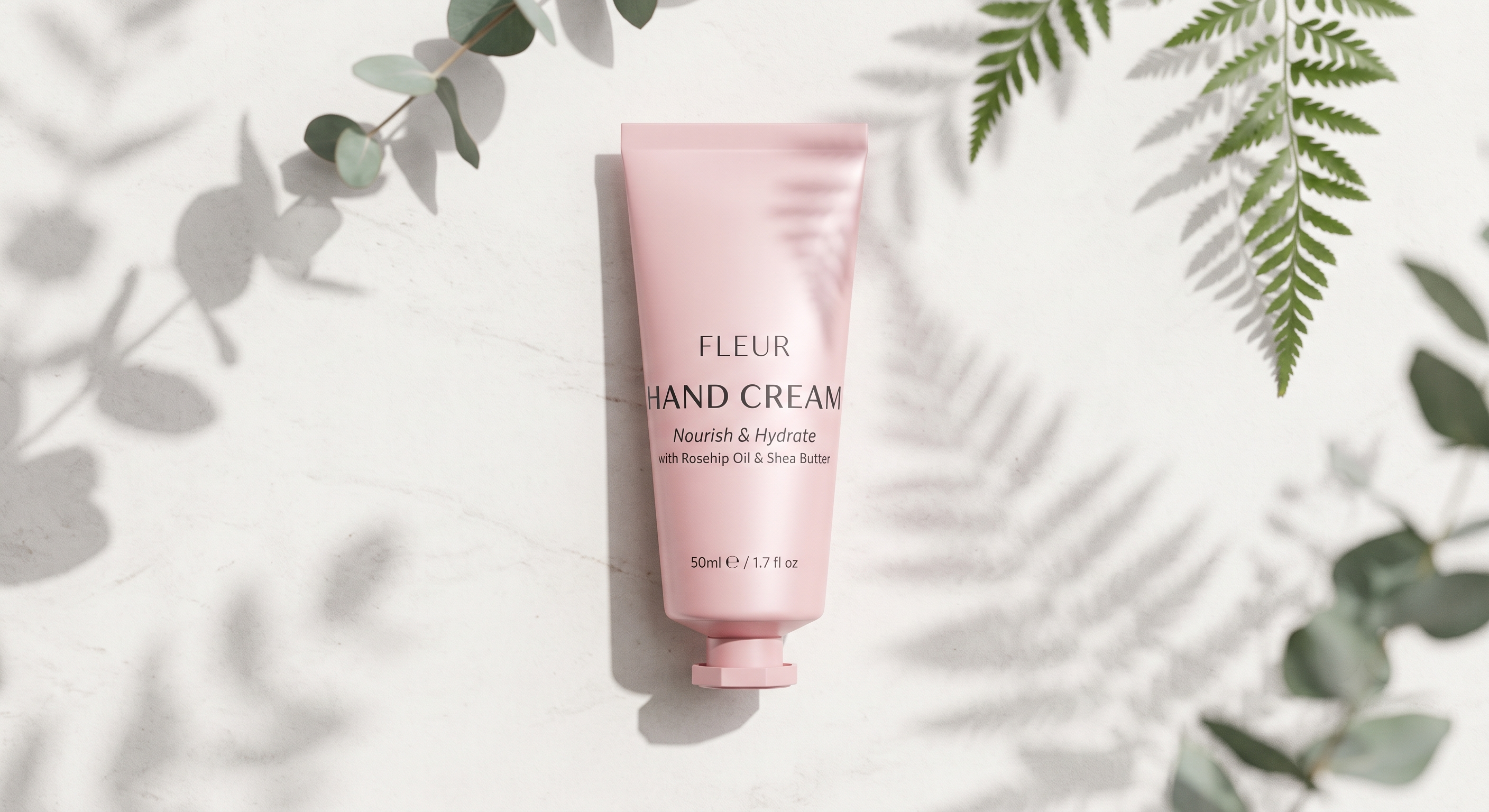
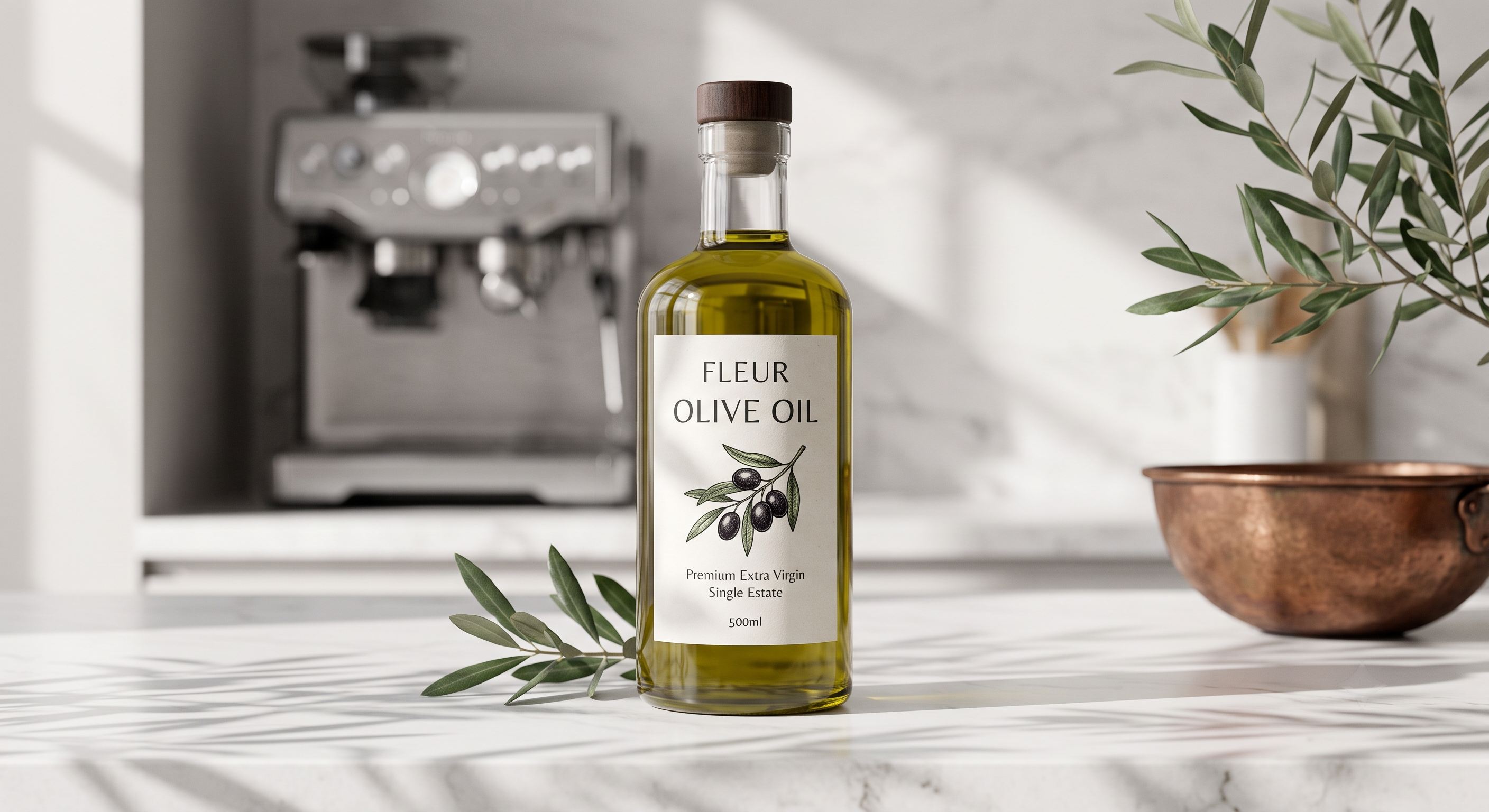
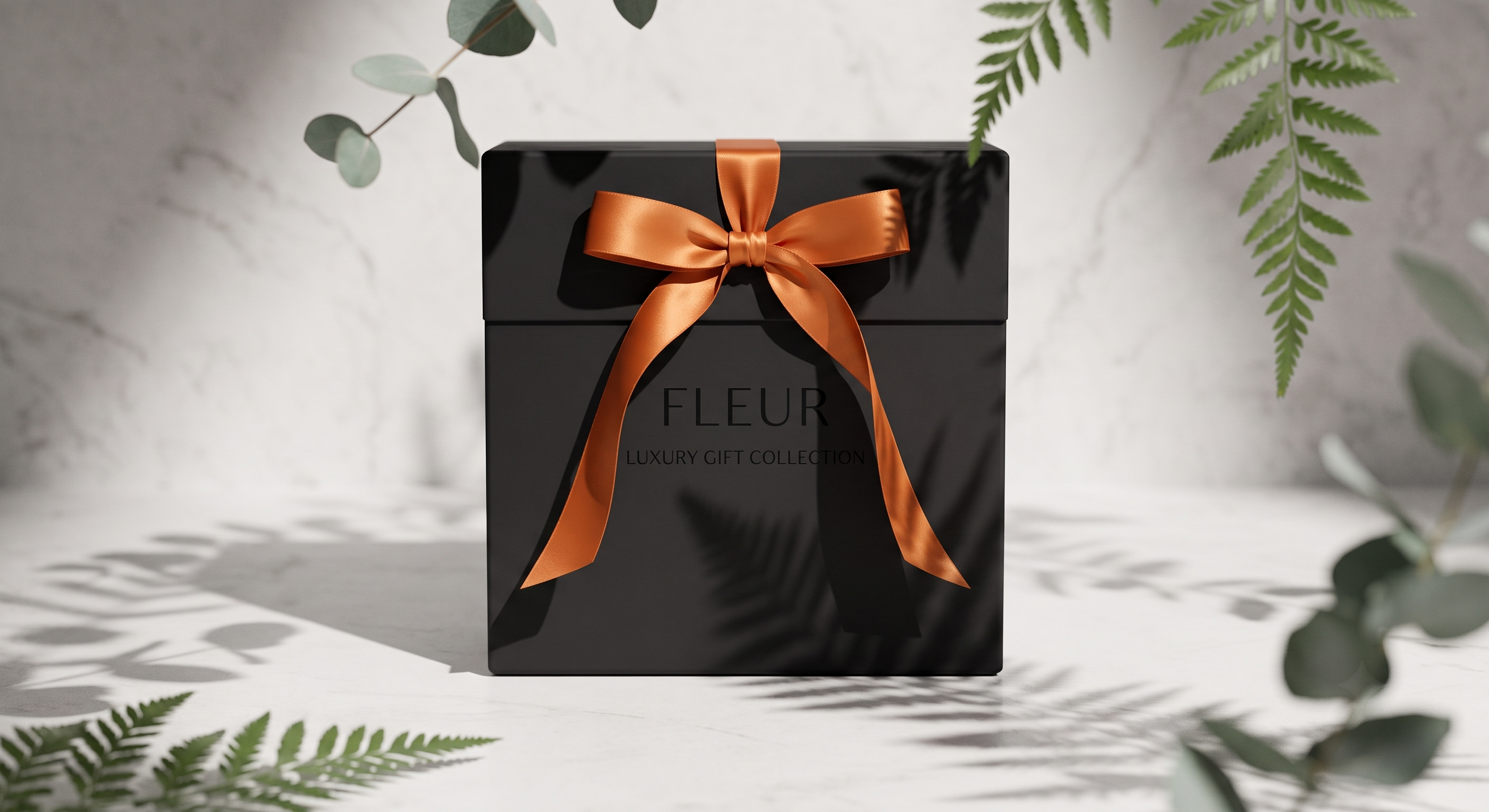
Explore some of the premium custom packaging dielines and labeling structures we have delivered for our clients.
YOUR PROJECT HERE?
Just say hello or send us an RFP to start crafting your custom product dielines.
NEED NEW PACKAGING?
Get familiar with our flat-rate subscriptions and custom box templates.
CUSTOM DIELINES
Let's build structural dielines and print layouts optimized for your manufacturer.

REGULATORY READY
Ensure ingredient panels, barcodes, and warning markings fit regulatory rules.
WANT TO DISCUSS?
Our designers are ready to answer your questions about layout bleed and folding cartons.
Premium Package Design Increases Retail Conversion.
Clean Details • Professional Looks • Increased Conversion
Online shoppers and retail buyers cannot touch your physical product, so they rely entirely on your packaging. High-quality custom boxes, textured labels, and premium containers show customers that your brand is premium and trustworthy.
By replacing basic, plain packaging with custom, high-end designs, you showcase your brand's unique details clearly, making it easier for shoppers to buy with absolute confidence.
Proven Commercial Results
We design structural dielines and print files to achieve maximum shelf conversion.
81% of retail consumers state custom packaging design directly influences their product purchasing decisions.
Adding high-contrast custom brand typography and compliant packaging labels boosts shelf conversion by 40%.
Production-ready vector dielines and layouts guarantee zero packaging design factory recalls or delays.
Partnering with Global Design & Tech Leaders






Let's build something remarkable.
Craft premium product containers, dielines, and retail-compliant label graphics built to scale on shelves.